
Eye Health Examination
A comprehensive exam is a physical for your eyes. It checks how well you see, how your eyes work together, and the health of the eye itself, catching problems long before you notice them.
Most eye disease is silent until it isn’t
Regular eye health examinations are the only reliable way to detect, diagnose and treat eye problems before they lead to partial or permanent vision loss. Conditions like glaucoma and early macular degeneration develop without pain and without obvious symptoms, which is exactly why they need looking for.
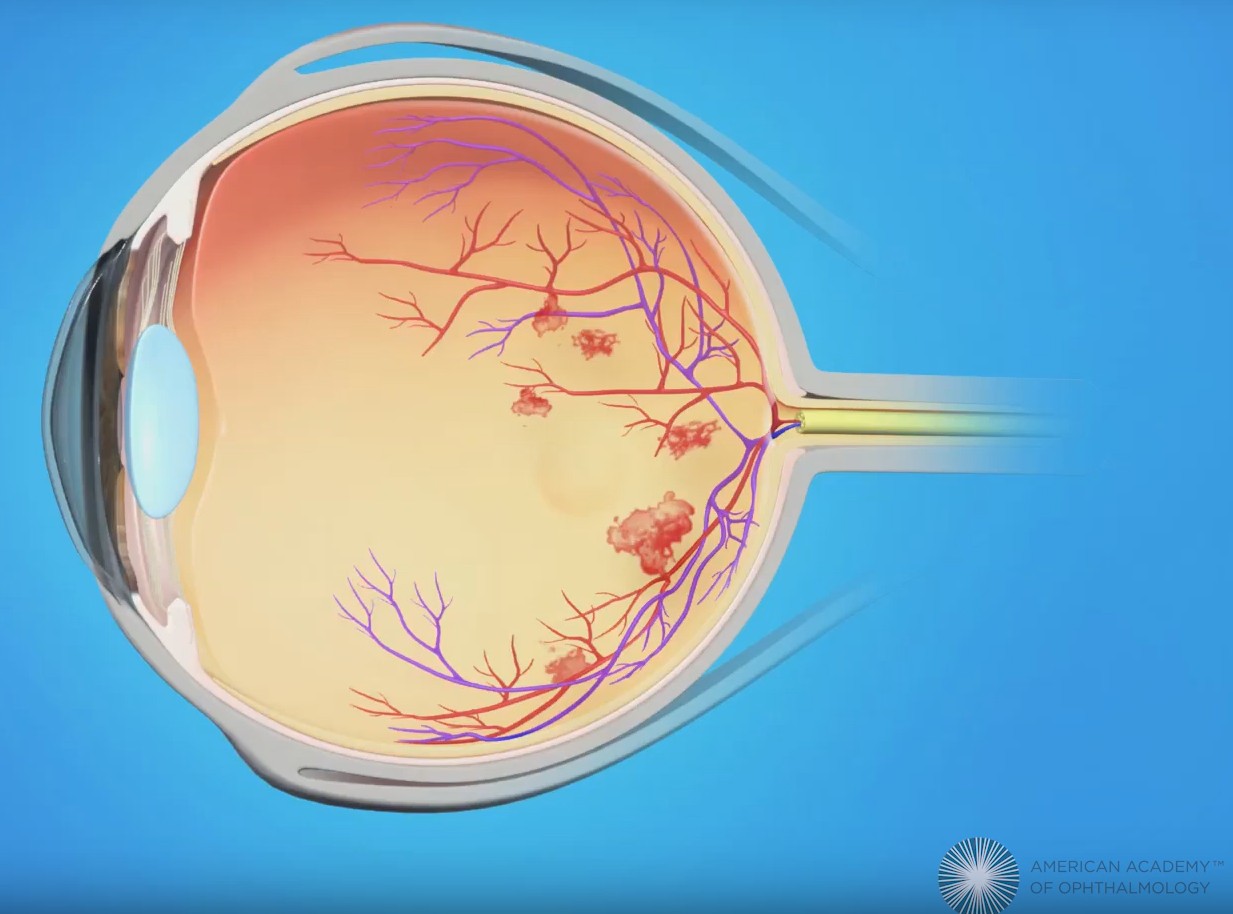
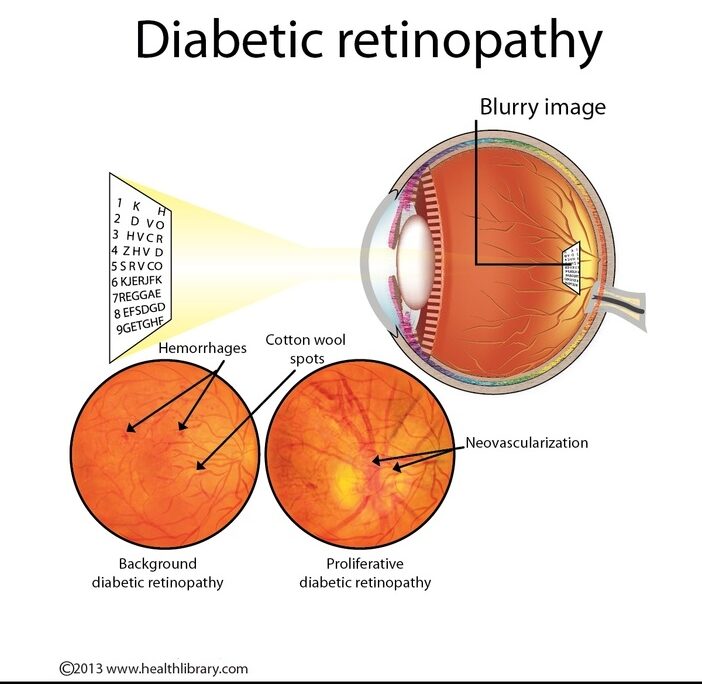
An exam also picks up systemic health problems. The blood vessels at the back of your eye are the only ones a clinician can see directly, so diabetes and high blood pressure often show up here first.
- Glaucoma, cataracts, retinal detachment and macular degeneration
- Diabetic changes and signs of high blood pressure
- Focusing, coordination and binocular vision problems
Children and adults are examined differently
The tests we run depend on who is in the chair and what their eyes need to do all day.
Children
We test vision, hand-eye coordination, the ability to use both eyes together, and how well the eyes track across a page and shift from one object to another. These are the skills reading and learning depend on.
Results are explained to the parent or caregiver in the room, and if glasses or contact lenses are needed, we’ll say so plainly.
Adults
Adult exams are more comprehensive, with a focus on age-related conditions such as cataracts and glaucoma alongside your prescription.
We also look at how your eyes hold up under real demands: screens at work, driving at night, close work and hobbies. The exam is built around what you actually do.
What we check, and why
A comprehensive exam usually includes the following. Which tests we run depends on your history and what we find as we go.
Blood pressure
Hypertension damages the small vessels in the eye, so we check pressure as part of the picture.
Glaucoma testing
Peripheral vision, an examination of the optic nerve, and intraocular pressure measured by tonometry.
Dilated eye test
Dilating the pupil opens up a clear view of the optic nerve, lens and retina, revealing glaucoma, cataract, retinal disease and macular degeneration.
Direct ophthalmoscopy
A magnified view of the smallest structures at the back of the eye: retinal blood vessels, the optic nerve and the macula.
Binocular indirect ophthalmoscopy
A wide view of the peripheral retina, where damage that carries no symptoms can lead to retinal detachment.
Visual field test
Maps everything you can see without moving your eyes. Computerised analysers pick up slight peripheral loss that nothing else detects, an early marker for glaucoma, stroke and tumours.
How we run your exam
We test your vision with and without visual aids, contact lenses and spectacles included, so we can work out which correction genuinely suits you rather than defaulting to what you already wear.
Ophthalmoscopy lets us examine the internal structure of the eye for retinal damage, raised intraocular pressure and glaucoma. Digital retinal imaging adds a high-resolution photograph of the retina, which we keep as a baseline and compare against at every future visit.
Then we explain what we found, in plain language, before putting a plan together. Ask as many questions as you like.
What a comprehensive exam includes
A comprehensive adult eye examination may include, but is not limited to, the following. Your symptoms and the optometrist’s professional judgment shape what gets tested.
- A case history covering past and present vision and medical issues, plus a detailed family history.
- An analysis of your visual needs at home, work, school and play, including your screen environment and recreational activities.
- Visual acuity of each eye, individually and together, with and without corrective lenses, at distance and near.
- Diagnosis of your refractive status, the focusing power of the eye, combining objective measurements with your own responses.
- Binocular vision assessment: eye coordination, depth perception, eye movements and, where relevant, eye-hand coordination.
- Colour vision evaluation.
- Assessment of eye health inside and out using a biomicroscope, an ophthalmoscope, and a dilated examination when indicated.
- A neurological assessment of the visual system: pupil reactions, ocular motility and peripheral vision.
- Glaucoma screening, including intraocular pressure, a look at the retina and optic nerve, and peripheral vision testing.
- Additional testing where needed to confirm or rule out a problem: retinal photography, gonioscopy, corneal pachymetry, optic nerve or macular scans (OCT, GDx, HRT), ultrasound, contrast sensitivity or automated visual fields.
- A final analysis that determines your prescription, any eye training exercises, or a referral for medical or surgical treatment, plus recommendations for future care.
Book your eye health examination
Evening appointments are available in both Guelph and Rockwood, and Saturdays by arrangement. New patients of all ages welcome.